

SDG16 Peace, Justice and Strong Institutions

Strengthening Global Alumni Networks to Enhance Institutional Connectivity and International Impact
NTNU, now in its 102nd year, has cultivated a global alumni community of more than 180,000 graduates and over 30 alumni associations worldwide. NTNU continues to build strong relationships with its alumni through diverse outreach efforts. In 2024, NTNU hosted the first-ever NTNU North America Alumni Summit in Los Angeles, gathering representatives from eight North American alumni organizations and more than 200 alumni and their families. The summit focused on topics such as “Challenges in Higher Education” and “University Sustainability Development,” marking an important milestone in overseas alumni engagement.
To further strengthen alumni ties, NTNU established the President’s Alumni Fellowship and the Osaka Alumni Fellowship, providing alumni with platforms for networking and staying informed about university developments. As a leading institution in teacher education, NTNU has trained countless secondary school teachers and education administrators who play a critical role in Taiwan’s education system. In 2024, approximately 40% of secondary school principals nationwide and six directors or commissioners of education bureaus were NTNU alumni, reflecting the university’s substantial influence on educational leadership across the country.
NTNU also hosts Taiwan’s largest Mandarin learning center, attracting over 8,000 learners from more than 80 countries each year, contributing to a rapidly growing international alumni network. In 2024, NTNU organized its first International Alumni Reunion, inviting alumni from more than 30 countries to return to campus to share career insights and support university development priorities. NTNU values the collective momentum of its alumni and looks forward to expanding its global network, strengthening international engagement, and channeling alumni support toward advancing NTNU long-term sustainability goals.

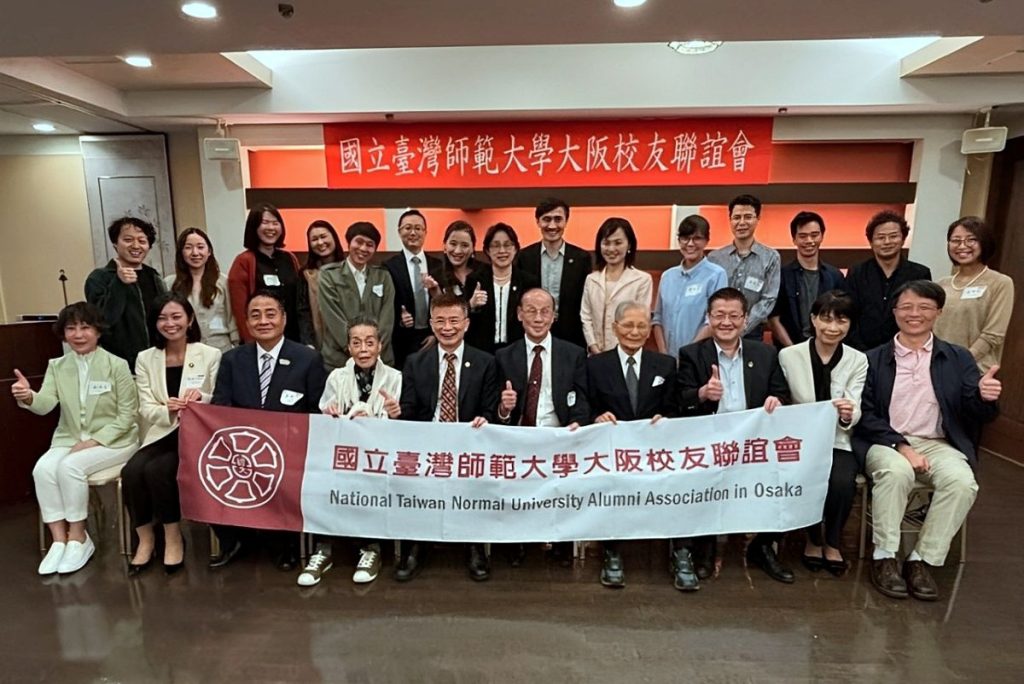
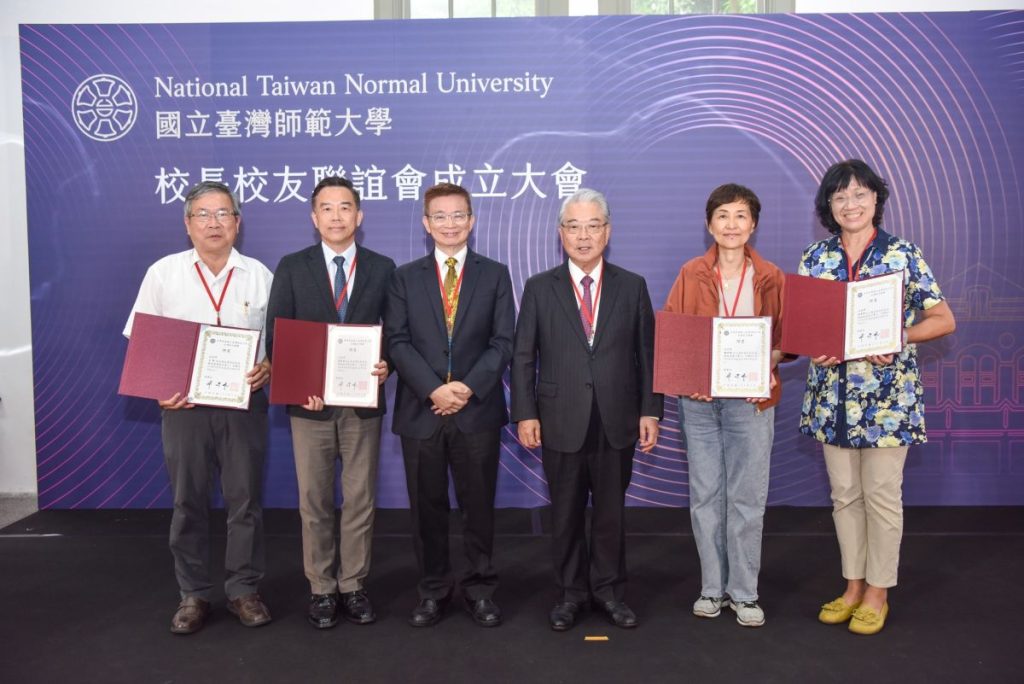
NTNU North America Alumni Summit, President’s Alumni Fellowship and Osaka Alumni Fellowship in 2024.
Establishing Multi-Stakeholder Engagement Platforms to Strengthen Institutional Governance
NTNU has established a comprehensive system of multi-stakeholder engagement platforms to promote transparent communication and gather feedback from students, faculty, staff, alumni, parents, and the general public. Through meetings, forums, events, and publications, the university collects diverse perspectives and integrates them into institutional planning and governance. Engagement efforts encompass four major areas:
University Governance Meetings | Regular university-wide governance meetings involve representatives from administrative and academic units as well as student delegates. These meetings address major institutional decisions and policy directions, and all meeting minutes are publicly disclosed for stakeholder reference. |
Institutional Development Consultation | Through self-assessment, institutional evaluation, departmental reviews, and research center evaluations, NTNU invites external experts, alumni, and industry representatives to provide recommendations on development strategies and resource allocation. |
Student Participation Mechanisms | In addition to representation in university governance meetings, student association leaders participate in student affairs meetings and related committees to voice student needs and concerns. University administrators also hold regular dialogue sessions with student representatives to gather feedback on academic programs, student life, and campus facilities. |
Alumni and Community Engagement | Through the NTNU Alumni Association, curriculum committees, departmental organizations, and regional alumni chapters, the university actively incorporates alumni perspectives into curriculum and institutional development. NTNU also engages parents and community stakeholders through alumni reunions, “Legacy” mentorship activities, new student parent forums, and community dialogues, strengthening two-way communication and building shared commitment to institutional advancement. |
Supporting Student Self-Governance to Foster Democratic Values and Social Awareness
The highest autonomous organization of students is the National Taiwan Normal University Student Union, which has established the National Taiwan Normal University Student Union Constitution. Its mission is to cultivate students’ capacity for self-governance, foster democratic values, and advocate for student rights.
The Student Union carries out a wide range of activities related to governance engagement, student support, and social issue advocacy. Since 2016, it has organized the annual Humanities Film Festival, which uses films and post-screening discussions to help participants engage with social issues through an accessible and relatable format. The 2024 edition, the ninth in the series, was themed “Intertidal Zone”—a dynamic space between land and sea characterized by uncertainty yet abundant life. This theme symbolized the festival’s vision of embracing diverse perspectives and creating a space for open dialogue. Through each film, audiences are encouraged to reflect on life’s fluctuations and challenges, find comfort, and consider new pathways for the future, expanding their capacity for critical thinking and social engagement.
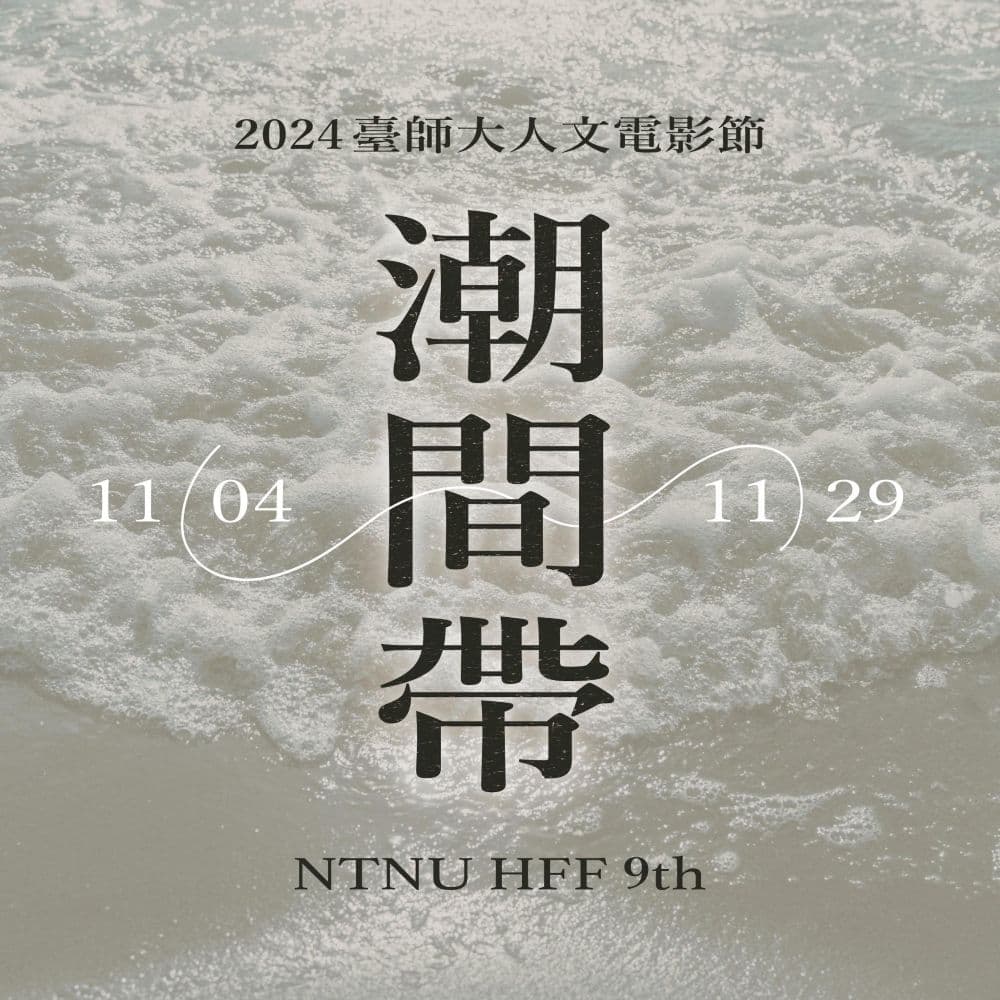
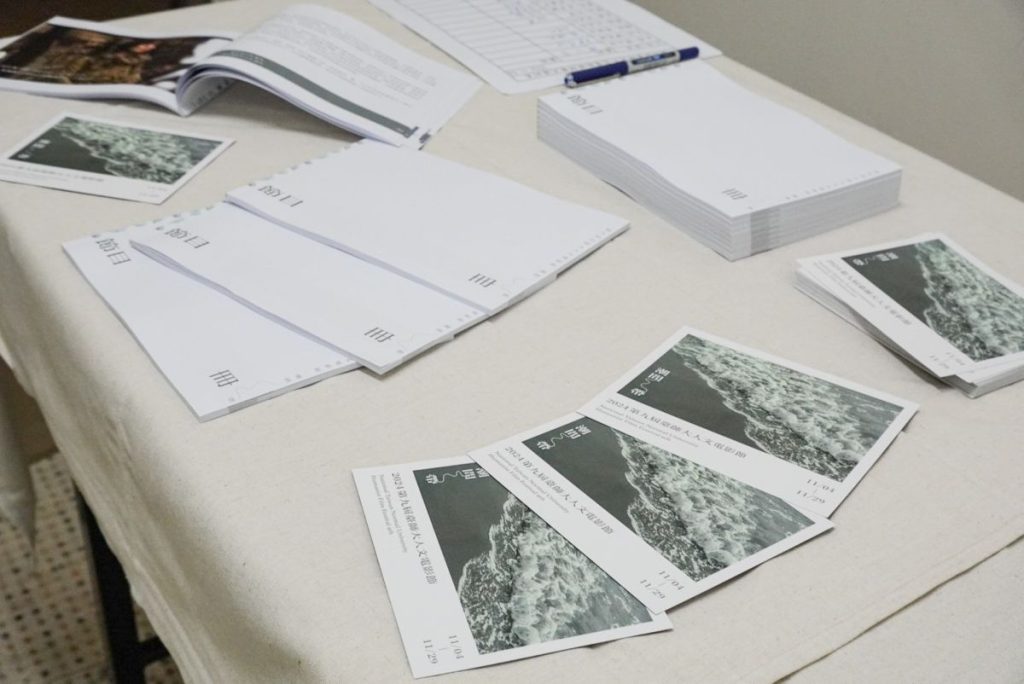
In 2024, the Student Union hosted the “Intertidal Zone” Humanistic Film Festival.