

SDG7 Affordable & Clean Energy
Showcasing Smart Technology and Clean Energy: Implementing Energy Conservation and Carbon Reduction Strategies
Driven by the goals of smart cities and sustainable development, energy efficiency and clean energy technologies play a crucial role. Associate Professor Shun-Te Wu’s team from the Department of Mechanical Engineering at NTNU developed the “Artificial Intelligence of Underground Things (AIoUT)” system, which won the 2024 Ministry of Economic Affairs Communication Innovation and Energy Saving Optimization Competition. This achievement demonstrates how smart technology can promote energy conservation and enhance resilience in urban infrastructure. The NTNU team innovatively addressed three major technical challenges: difficult signal transmission, high power consumption, and high maintenance costs. Their core technology utilizes the Wi-Fi HaLow communication protocol, combining high penetration capability with low power consumption to ensure stable data transmission. When paired with low-power sensing devices, energy consumption is reduced to only 10% to 12% of that of traditional solutions, and battery life is extended by more than five times, significantly lowering energy usage and replacement costs.
Furthermore, integrating an AI analysis platform with radar, water level sensing, and real-time image recognition technologies significantly reduces the need for manual inspection and maintenance, thereby enhancing energy efficiency and optimizing the use of public resources. After implementing the system, overall energy consumption decreased by 90%, and maintenance costs were reduced by over 50%, directly aligning with SDG 7’s goals of “improving energy efficiency” and “promoting affordable, sustainable, and modern energy.” Additionally, the system can monitor water level changes and detect anomalies in sewers in real time, preventing floods and environmental pollution. This capability reduces further energy losses and social costs caused by disasters, thereby strengthening the city’s green resilience. The energy application potential of this smart system extends beyond sewers; it can also be applied to other sustainable energy-related fields such as smart agriculture, air quality monitoring, river management, and wind power generation.
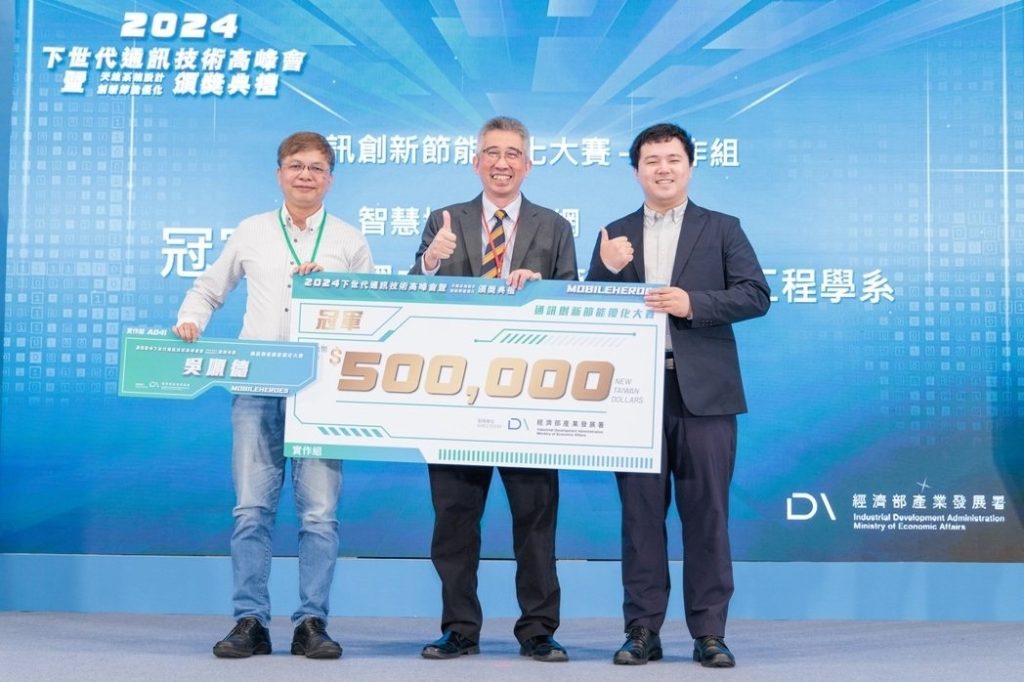
NTNU’s “Artificial Intelligence of Underground Things (AIoUT)” system won first place in the 2024 Communication Innovation and Energy-Saving Optimization Competition.
Industry-Academia Collaboration Drives Innovation in Energy: Advancing Research, Development, and Commercialization of Green Energy Technologies
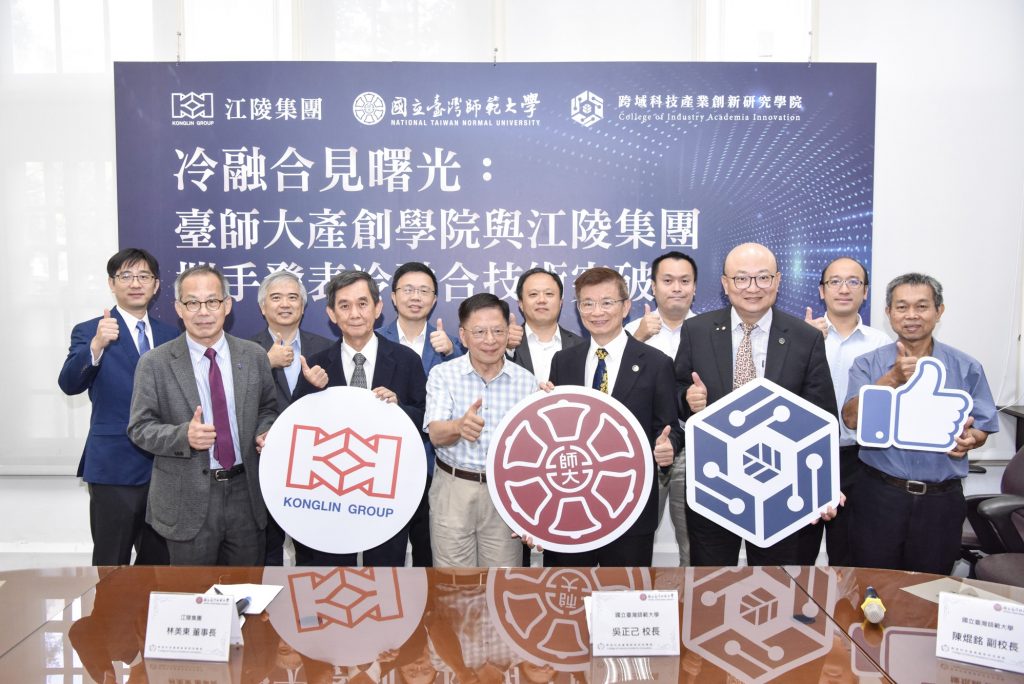
The research team has achieved a breakthrough in cold fusion technology and has been awarded a collaborative industry-academia project.
NTNU collaborates with the Jiangling Group, integrating industry-leading innovation and research and development into the university. This partnership fosters academic dialogue and technological advancement, with both parties complementing each other. For example, the innovative miniaturization design of the cold fusion reactor accelerates the integration of science and technology. Through close cooperation between industry and academia, the university cultivates practical R&D and innovation capabilities. Students develop research skills that emphasize both theory and practice through “learning by doing” training. Furthermore, this collaboration has led to the formation of domestic and international research teams dedicated to academically exploring the fundamental nuclear reaction mechanisms of Low Energy Nuclear Reactions (LENR) to unravel the mystery of cold fusion, thereby advancing the development of more efficient cold fusion application technologies.