

SDG2 Zero Hunger
Partnering with the Taipei City Government to Promote Digital Learning and Empower Local Farmers
Located in Beitou’s Yangmingshan area, the Quanyuan Community is one of Taipei City’s few remaining rural settlements, where most residents rely on farming for their livelihood. Compared with seniors living in metropolitan areas, elderly farmers face greater disadvantages amid rapid technological advancements. In collaboration with the Taipei City Government Department of Information Technology, the university implemented the “Taipei Digital Citizen Service Program,” offering a series of practical and engaging digital courses tailored to the community’s needs for farm experience promotion and marketing.
The program included topics such as mobile payment applications, AI-generated content tools, and AR/VR experiences. These diverse courses not only sparked residents’ interest in emerging technologies but also encouraged them to actively adopt digital tools to enhance daily living and work efficiency.
In addition to capacity-building courses, the program integrated local culture and natural landscapes through the production of a 360-degree VR video to showcase the community’s unique heritage. The video, themed around the Quanyuan Community Development Association’s concept of the “Sulfur in Quanyuan, Staying in Quanyuan, and Flowing in Quanyuan”, offers an immersive first-person virtual tour of Yangmingshan’s sulfuric geological formations, century-old irrigation channels, and scenic farmland, accompanied by professional narration.
The “Taipei Digital Citizen Service Program” provides equitable digital learning opportunities for digitally disadvantaged citizens in urban areas, helping bridge digital divides across communities while deepening public appreciation of local culture and encouraging in-person visits.


Seniors in Quanyuan Community Experience AI-Generated Courses and VR Filming
Integrating Book Exhibitions and Campus Markets to Advance Awareness of Sustainable Diets
A sustainable diet emphasizes the consumption of foods with lower environmental impact, contributing to present and future food and nutrition security while promoting healthier lifestyles. NTNU partnered with the Chinese Culinary Foundation—home to Taiwan’s only library dedicated to food culture—to organize a thematic book exhibition titled “Reading Food, Tasting Knowledge.” The exhibition featured works on slow food, sustainable diets, food and agricultural education, plant ecology, and biodiversity, encouraging visitors to reflect on these important issues.
Student organizations have also played an active role in promoting sustainable eating on campus. The student club “Sustainability Ambassadors” organized the two-day “Warm Sun Sustainability Festival,” which included the “Warm Sun Sustainability Market.” The market invited local farmers, plant-based food vendors, and gluten-free businesses aligned with sustainability values, creating an open space for students and the public to engage with sustainable food practices and support local producers.
Another student club, “Veggie People,” further promoted sustainable diets by sharing vegetarian dining options near campus through social media and participating in the “2024 Plant-forward Initiative.” Their “Veggie Little Masters” events featured plant-based DIY workshops and a campus-wide Vegan Challenge with more than 250 vegan meal submissions. Students also created and sold plant-based tiramisu on campus, encouraging broader engagement with plant-based living and expanding the possibilities of sustainable eating.

The student club Veggie People launched a “ Veggie Little Masters ” program, featuring a seven-day vegan challenge.
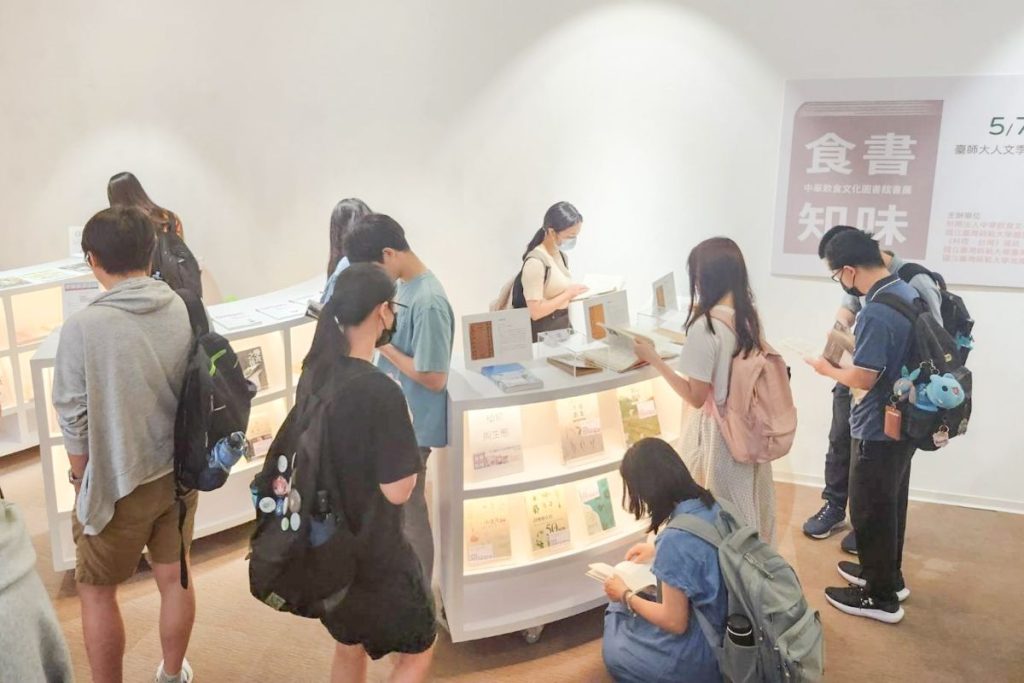
“Reading Food, Tasting Knowledge ” Book Fair
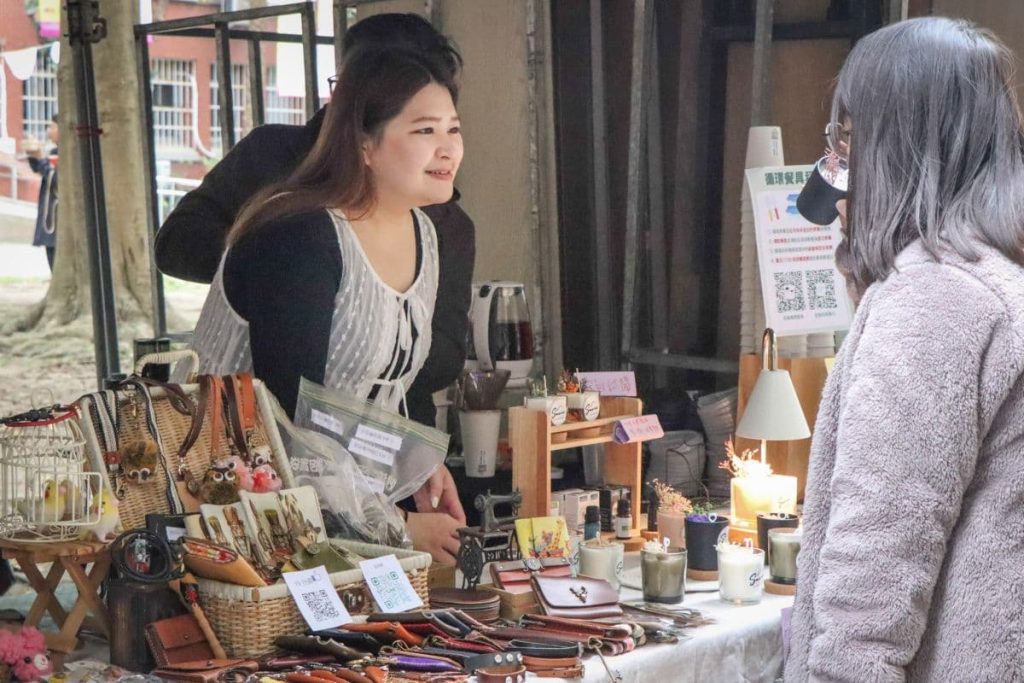
2024 Warm Sun Sustainability Market of Warm Sun Sustainability Festival
Showcasing Youth Innovation to Advance Sustainable Agriculture and Reduce Food Waste
Aligned with SDG 2, which emphasizes universal access to safe, nutritious, and sufficient food, NTNU actively supports innovations that advance sustainable agriculture and improve food systems. For example, students from the Department of Design developed the “Worm Home” project, a temporary shelter for earthworms. By placing food scraps and leaves inside the shelter during farming activities, earthworms are naturally drawn to the device, increasing survival rates and contributing to soil restoration. This innovative approach reflects young people’s creative engagement with agricultural sustainability and their commitment to addressing agricultural pollution.
In another initiative, Professor Hsu Ting-Chia from the Department of Technology Application and Human Resource Development guided a team of Taiwanese junior high school students in developing the “No Waste App” using App Inventor. Motivated by concerns over food waste and unsold produce, the team designed an application aimed at reducing food waste, minimizing carbon emissions, supporting local farmers and connecting with consumers. The “No Waste App” received the Best Design Award at the MIT AI & Education Summit, demonstrating how technological innovation can respond to the needs of sustainable agriculture and food system transformation.

ERA (Earthworm Refuge Area) technology serves as a temporary shelter for earthworms that supporting sustainable farming.
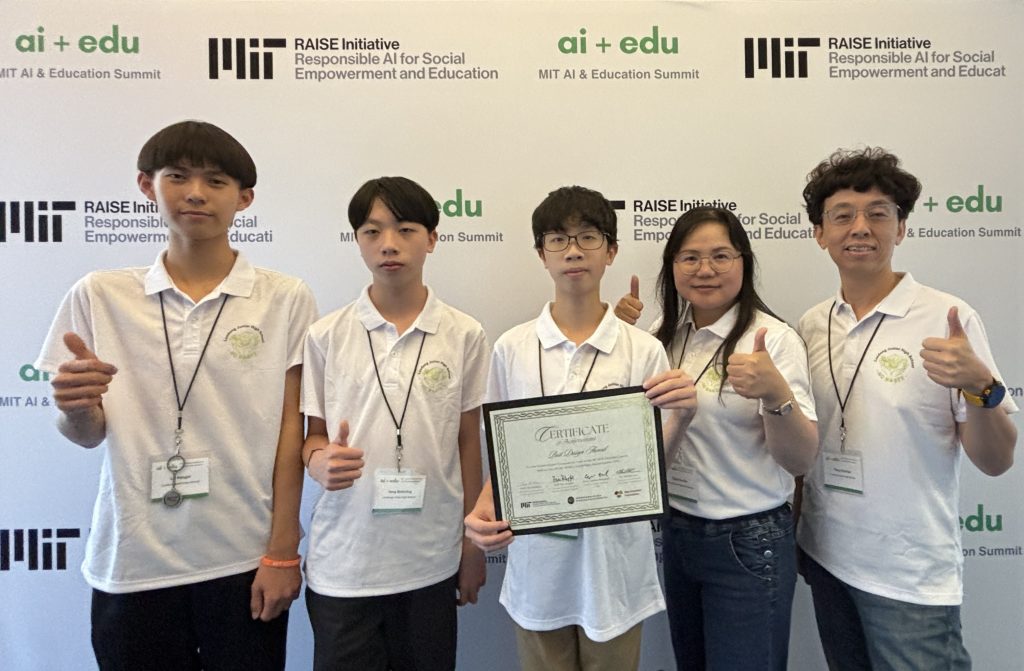
Professor Hsu Ting-Chia led a student team to create the “No Waste App,” that can reduce food waste, minimize carbon emissions. The app won the Best Design Award at the MIT AI & Education Summit.