

SDG10 Reduced Inequalities
Trend in the number of students with special needs over the years
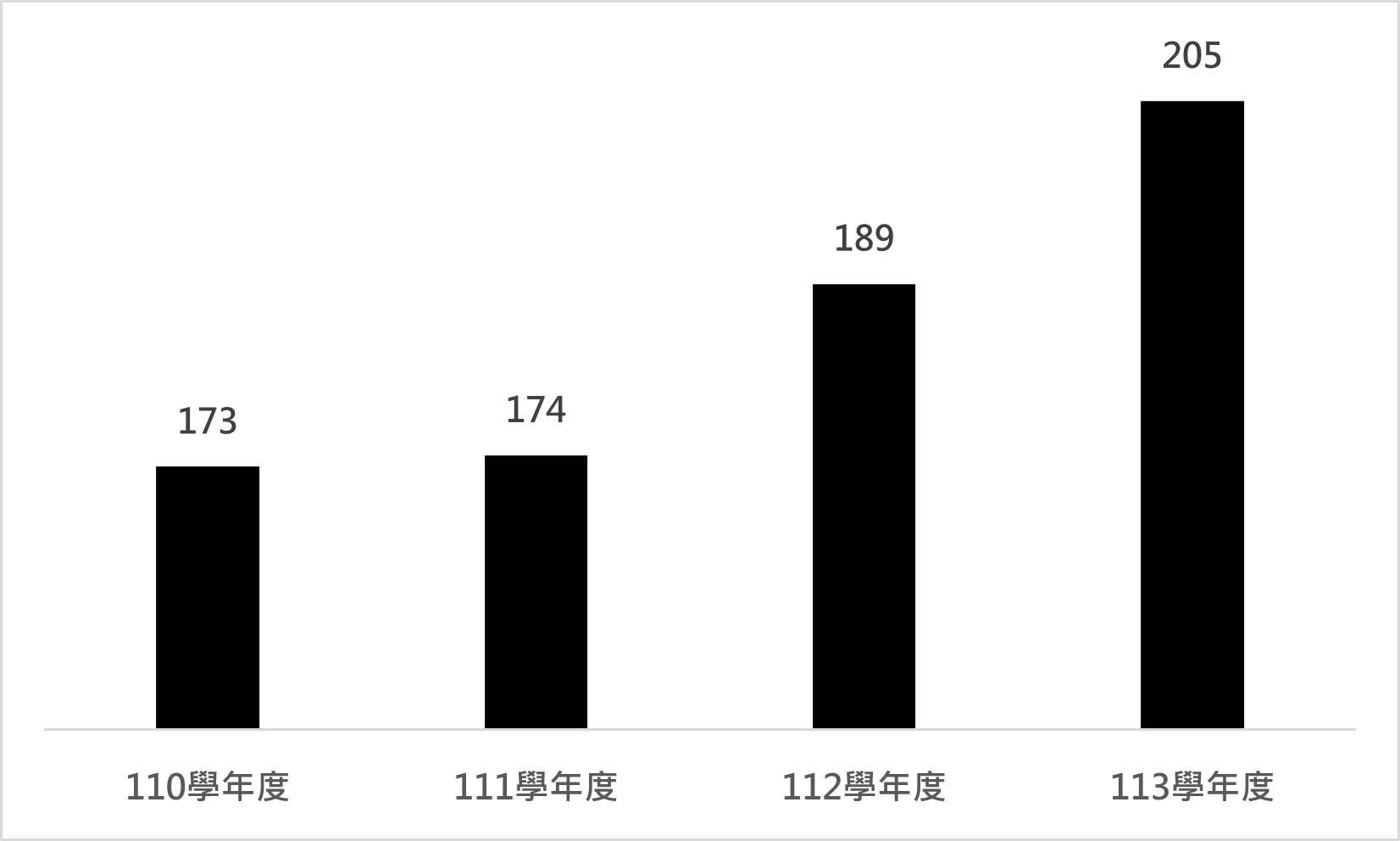
The proportion of such students at the university has steadily increased, ensuring an equitable learning environment for students with diverse conditions.
Creating an equitable admissions environment: Special education students account for 1.2% of total enrollment.
The university has established the “Morning Light Dual Admission Program” for undergraduate students. In Academic Year 113, a total of 471 students were admitted through this pathway. Over the past three years, students from economically or culturally disadvantaged backgrounds admitted through this program have consistently accounted for more than 17% of the total undergraduate admissions. These students receive priority admission, followed by comprehensive support services in daily life, learning, and career development after enrollment. In addition, the university offers a “Study Abroad Dream-Building Program” to help students realize their potential and pursue personal growth.
To support students with special needs, all university entrance examinations allow applicants to request accommodations based on individual needs, which are reviewed and arranged by the Special Education Center. The number of students receiving special education services has steadily increased in recent years; in Academic Year 113, they accounted for 1.2% of the total student population, exceeding the national higher education average of 1%. This reflects the university’s strong commitment and effectiveness in supporting students with special needs.
The university also provides a wide range of academic and daily living supports for students with disabilities, including assessment accommodations, accessible-format learning materials, assistive technologies, accessible dormitory rooms, and housing discounts. The Special Education Center offers individualized and diversified support services such as academic tutoring, psychological counseling, and career guidance. Furthermore, in line with government policy, the university has established an Adaptive Physical Education Development Center to promote adaptive physical education courses, further expanding opportunities that support the holistic development of students with disabilities.
Creating an Inclusive and Accessible Environment for Persons with Disabilities and Advancing Related Research
The university is dedicated to improving accessibility on campus and conducts annual reviews to maintain and enhance accessible facilities. An online campus accessibility map is publicly available, displaying features such as accessible ramps, restrooms, and elevators. Every building on campus is equipped with accessible ramps, and major buildings also provide accessible restrooms and elevators for universal access.
The university implements the “Adaptive Physical Education Action Blueprint for Higher Education Institutions,” commissioned by the Sports Administration, Ministry of Education. Through this program, the university organizes various activities promoting disability awareness and campus equity, including adaptive sports experiences and practitioner sharing sessions. Workshops on adaptive physical education teaching are also held to advance the development of adaptive PE courses and to encourage the growth of student organizations dedicated to disability sports on campus.
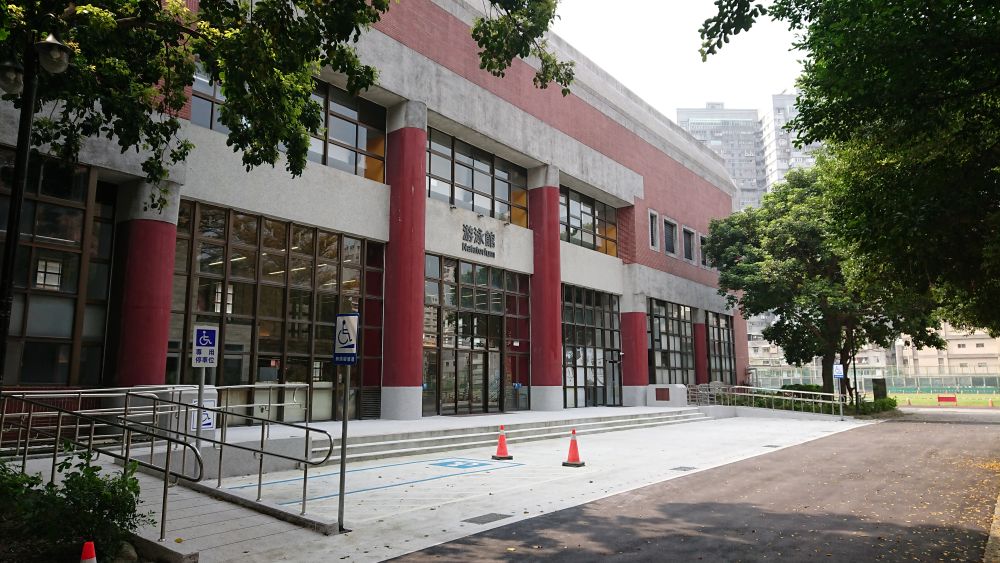
Accessible Ramp
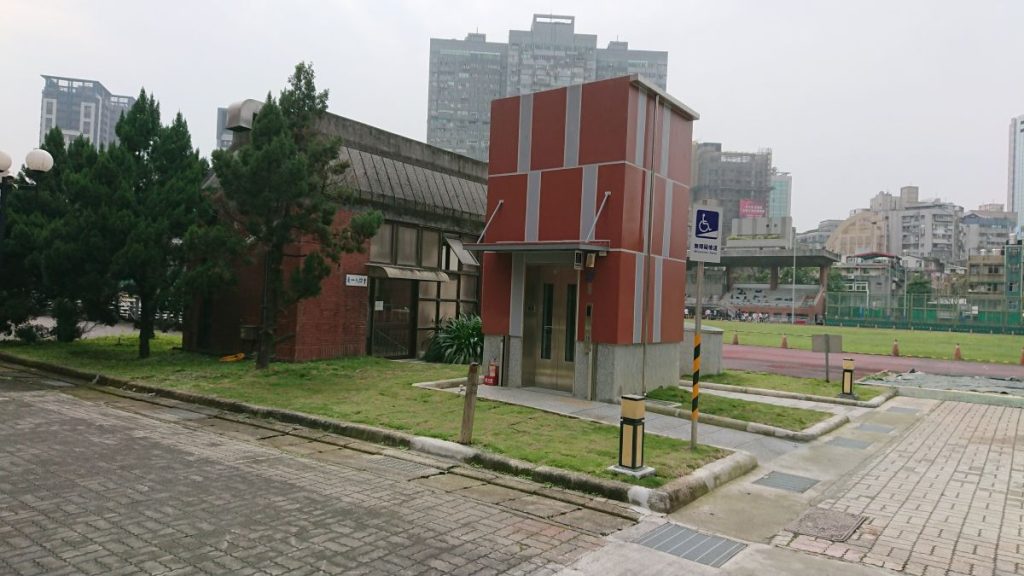
Accessible Elevator
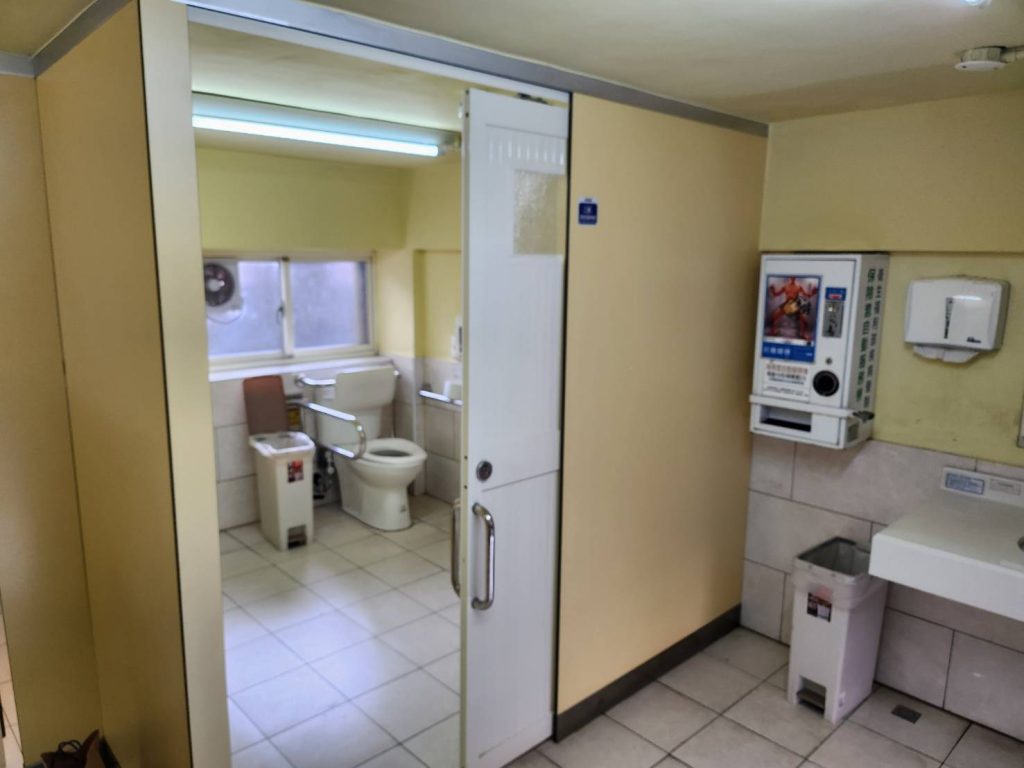
Accessible Restroom
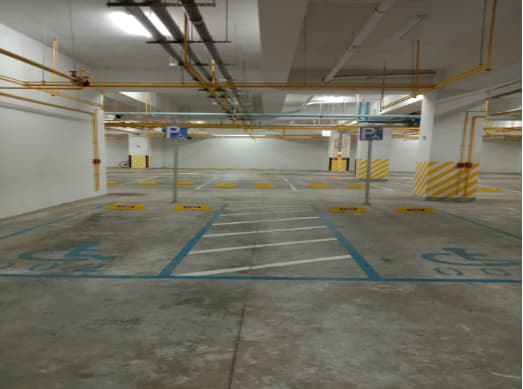
Accessible Parking Space
Capacity Building and Exchange in Special Education
Assistant Researcher Ko Hui-Ching and Counselor Tseng Yu-Hsiang from the Special Education Center led nine resource-room students—representing different colleges, departments, and types of disabilities—on an academic exchange to the University of Texas at Austin (UT-Austin) and Leland Stanford Junior University (Stanford University) in the United States. Through on-site visits, immersive experiences, discussions, and reflection, the program broadened the students’ global perspectives and enhanced their practical skills.
During the exchange, students engaged in both theoretical and practical learning, experiencing educational environments different from those in Taiwan, gaining insights into local cultures, and sharing the features of NTNU’s resource center and its support services for students with disabilities. The group also examined accessible facilities on the visited campuses.
Since its establishment 50 years ago, the university’s Special Education Center has continuously advanced innovation and progress in Taiwan’s special education field. In 2024, with support from the Education Departments of Taipei City and New Taipei City, the Center launched a pilot “Postsecondary Transition Program for Individuals with Intellectual Disabilities.” This program provides opportunities for high school graduates with intellectual disabilities to experience university life and utilizes both university and community resources to help participants strengthen self-determination skills, enhance social participation, and improve employment readiness before transitioning to vocational rehabilitation centers for continued career support.
After one year of implementation, the pilot program has achieved remarkable results, with participant and parent satisfaction reaching 95%. It is hoped that this successful model can be expanded nationwide in the future, allowing more families of individuals with intellectual disabilities to benefit.

Team members discussing disability-related issues in higher education during the exchange at UT Austin.
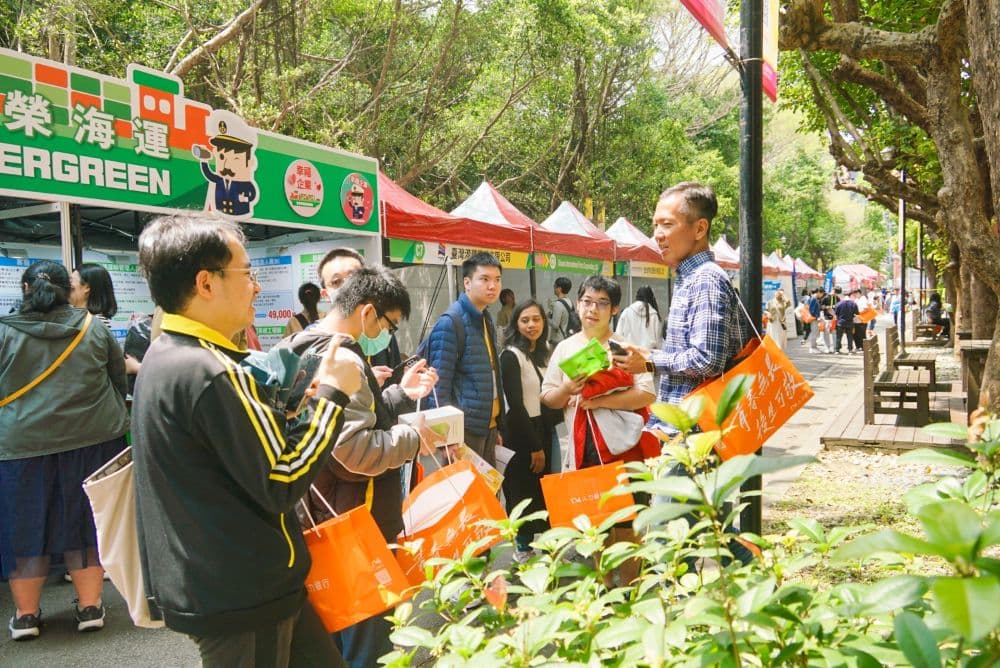
Students participating in campus activities
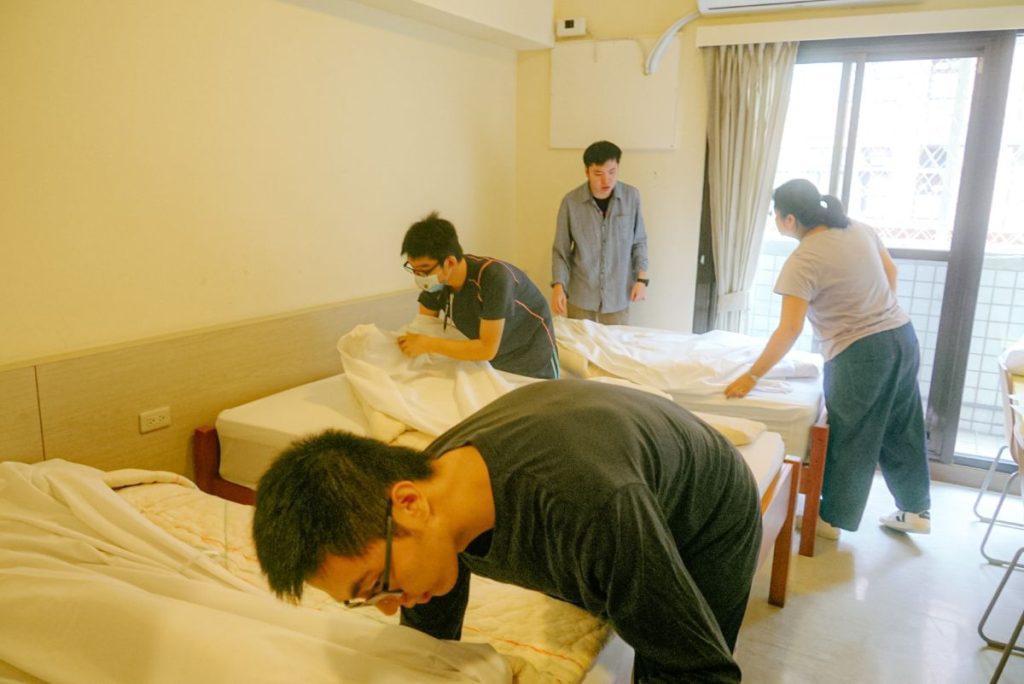
Students participating in housekeeping job training.
Alumni associations across various regions have formed “Hometown Service Teams” to provide educational resources to schools in rural areas.
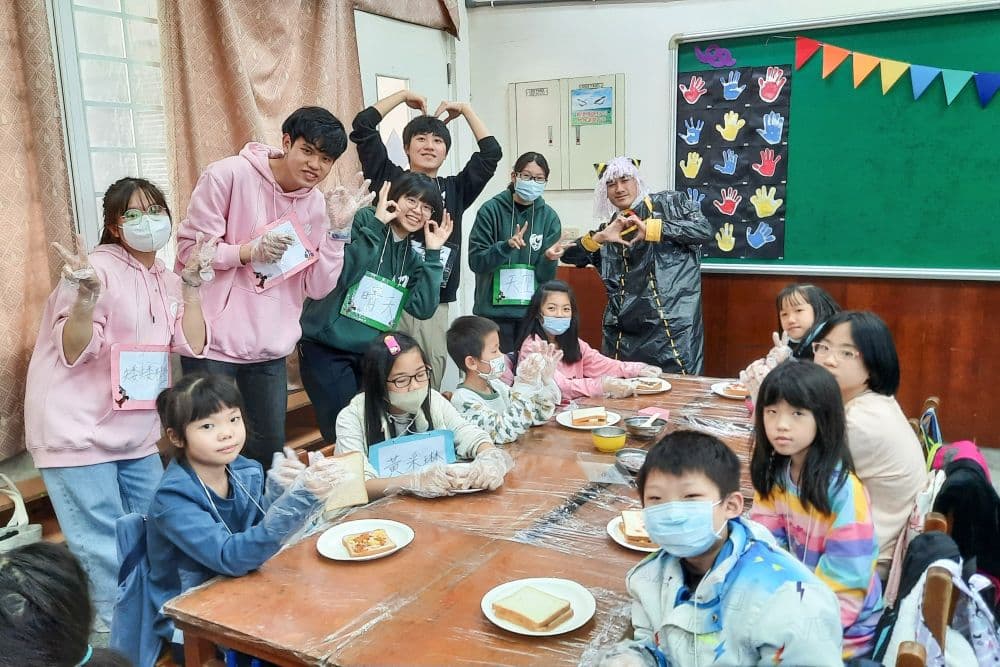
Documentation of the Hometown Service activities.
With the end of the pandemic, NTNU’s regional hometown alumni associations were finally able to fully revive their “Hometown Service Teams.” During the winter break, students returned to their hometowns, applying their passion for their communities, their dedication to education, and their professional expertise to serve schools in rural areas with limited educational resources. They organized camp activities that were educational, engaging, and entertaining, integrating local cultural issues and providing children with more opportunities for learning and personal growth.
During the six-month preparation period for the service program, team members not only wrote lesson plans and created teaching materials but also frequently participated in meetings, team rehearsals, and other preparatory activities, dedicating significant time and energy almost every day. As many service locations were in remote areas, students often faced challenges such as outdated infrastructure leading to water or power outages. At times, when hot water systems could not be repaired in time, they had to seek assistance from local shops to meet basic needs such as showering. While providing educational resources to local children, the students themselves also grew through the processes of planning, organizing, and overcoming difficulties.