

SDG9 Industry, Innovation and Infrastructure
Successful Examples of Green Energy and the Circular Economy
NTNU’s College of Interdisciplinary Industry Academia Innovation and Dr. Lee Yi-fa, Chairman of Cheng-Teh Oils, have long collaborated with their alma mater, NTNU, on industry-academia cooperation. Cheng-Teh Oils has actively promoted Taiwan’s energy transition and sustainable management, significantly reducing carbon emissions and pollution. The company is deeply concerned with global issues such as climate change, environmental protection, and carbon taxation, and has been committed to circular economy production models and bioenergy research and development for many years. Cheng-Teh Oils has become a partner of international petrochemical companies such as BP and Shell, and its industry-academia collaborations have resulted in invention patents across multiple countries. In 2022, the Taiwan Physical Society awarded Dr. Lee the “Industry Contribution Award his outstanding contributions to the technology industry and basic science. Beginning in 2023, they launched an interdisciplinary collaboration project with NTNU’s College of Interdisciplinary Industry Innovation Research, establishing a “Solar Energy and Engineering Credit Program” within the Department of Physics. This initiative aims to continuously develop green energy technologies, cultivate talent for the green industry, and promote the sustainable development of global energy.
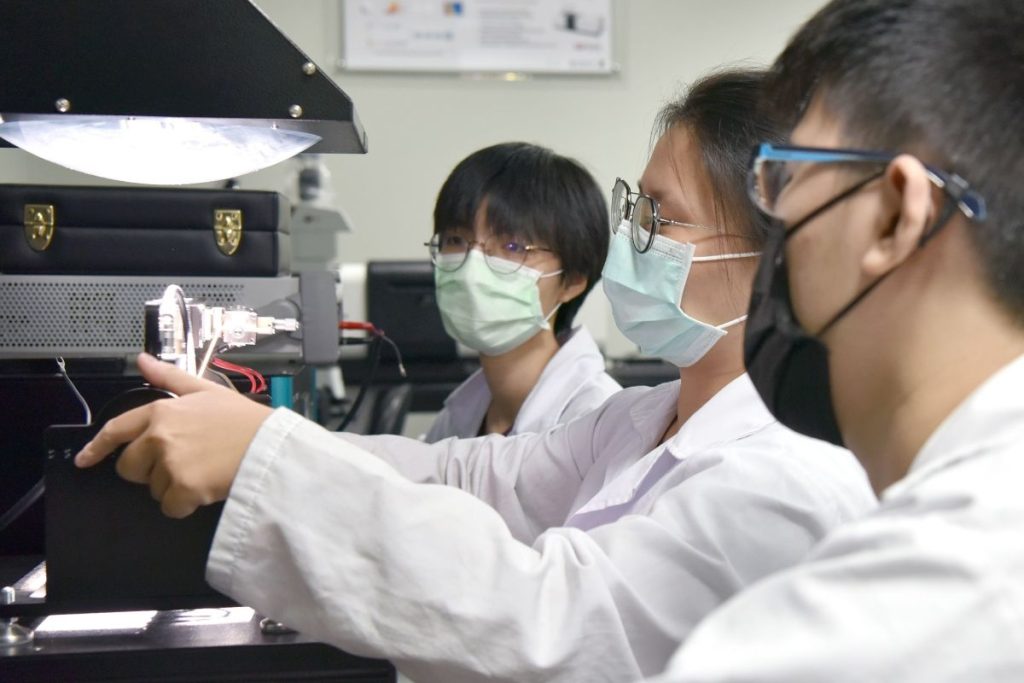
The donation established the “Solar Energy and Engineering Credit Program” and created the “Solar Cell Principles and Practical Laboratory.
Industry-Academia Collaboration Advances Research in Smart Grids and Intelligent Vehicles
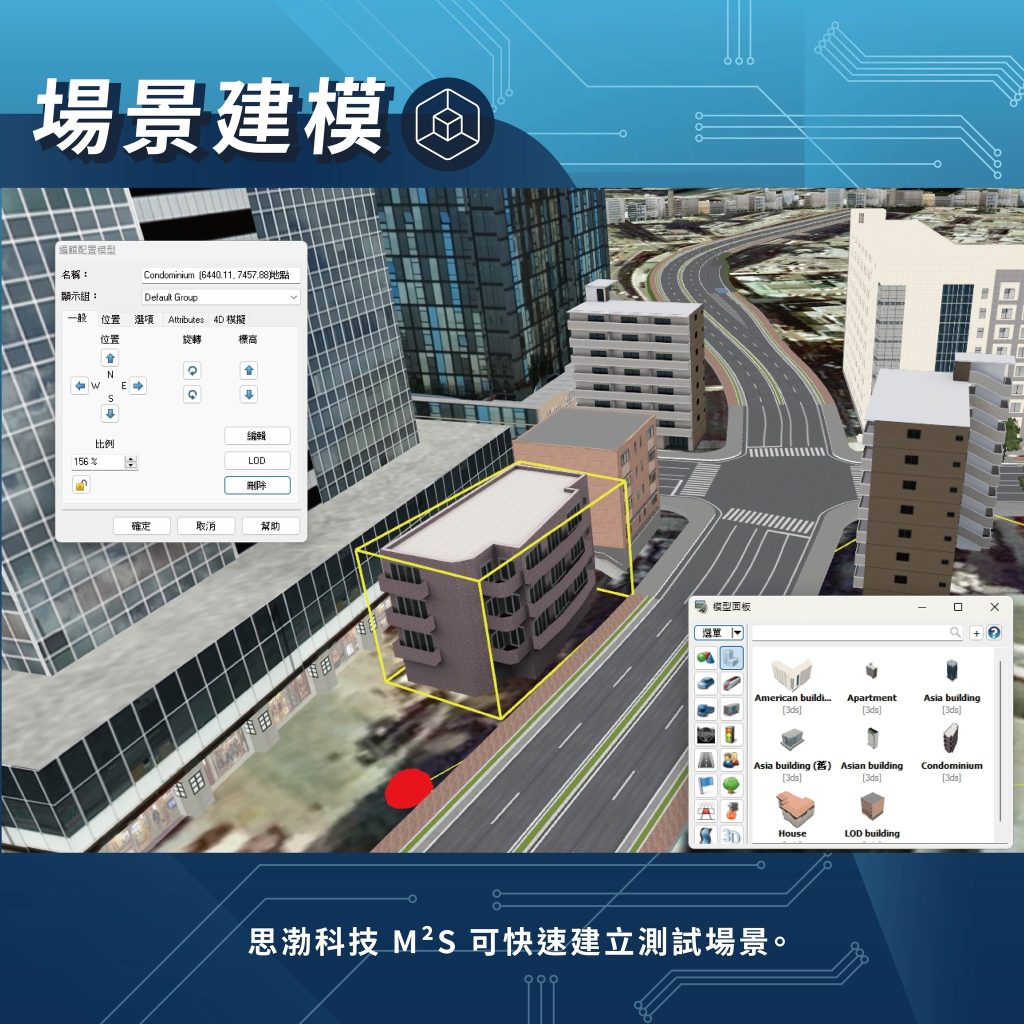
Multiphysics simulation – integrates a sophisticated physics engine to accurately simulate vehicle dynamics and sensor data.
NTNU, leveraging its expertise and extensive academic resources within the domestic higher education sector, has become a key implementing institution of the “National Key Research Areas Institute Project.” In 2024, it launched a collaborative initiative with Sibo Technology to cultivate talent in digital simulation engineering, focusing on two major technological areas: “Smart Grid Construction” and “Intelligent Mobile Vehicle Control Simulation Systems.” This project has effectively accelerated the development of professionals with expertise in smart grid construction and intelligent mobile vehicle control simulation systems. By integrating project-based teaching with practical applications, students enhance both their theoretical knowledge and hands-on skills, thereby bridging the gap between industry and academia. Sibo Technology provides advanced digital and modular hardware and software support, enabling students to master systematic and virtual-physical integrated engineering technologies essential to the automotive, information, electronics, and semiconductor industries.
During the collaboration, multiple teaching modules and practical platforms were jointly developed, fostering a deep integration of industry technology and academic research. By leveraging the university’s extensive academic resources and aligning them with industry needs, a comprehensive talent cultivation system has been established to nurture future R&D leaders. This partnership not only enhances the international competitiveness of Taiwan’s technology education but also provides essential talent support for the digital transformation of domestic industries.
Establishment of the Intelligent Computing Research Center for Sustainable Development
To address the rapid advancement of artificial intelligence and big data, the “Intelligent Computing for Sustainable Development Research Center” has been established. This center integrates faculty and research resources from eight departments within the College of Science, focusing on three primary areas: the Real and Virtual Physical Science Computing Group, the Multi-Hazards Forecast Group, and the Health Informatics Group. Each group promotes interdisciplinary collaboration and the application of intelligent computing, thereby enhancing research capabilities and international visibility. The center’s three core missions are to cultivate Industry 4.0 technology talent, promote interdisciplinary innovative academic research, and establish an international industry-academia collaboration platform. Through monthly academic gatherings and thematic discussions, the center fosters academic exchange and industry connections, helping businesses stay abreast of technological trends and cultivating professionals who meet societal needs.
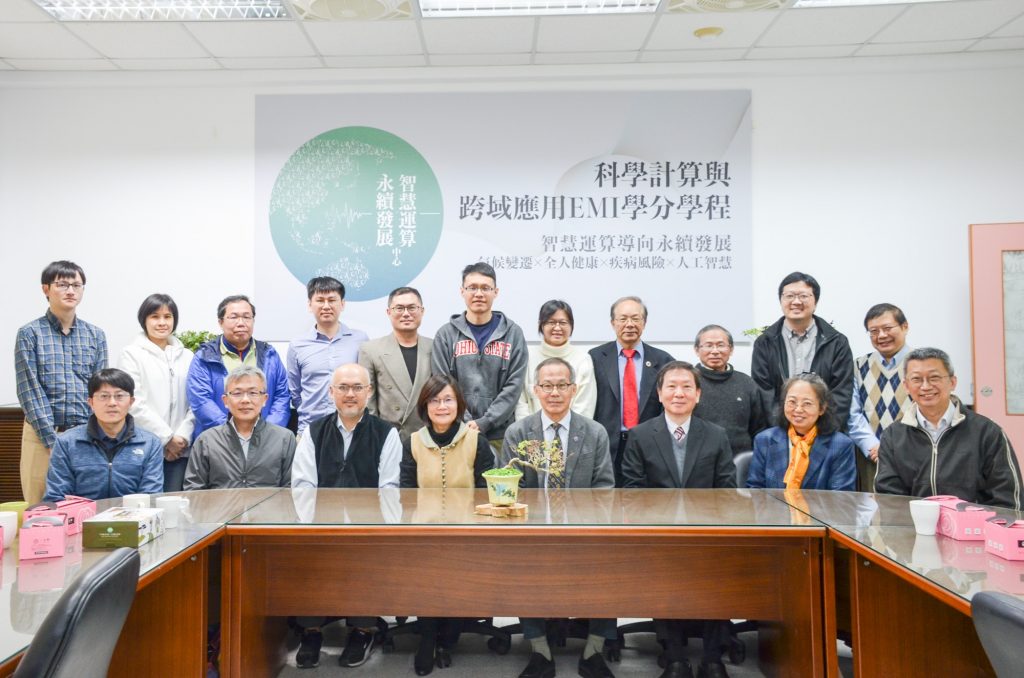
Building an Intelligent Computing Research Center to Promote Sustainable Goals